Running a small business is no small feat. Juggling customers, sales, and daily operations can feel overwhelming—until you discover the game-changer: a CRM system for small business. It’s not just for big corporations anymore.




What Is a CRM System for Small Business?

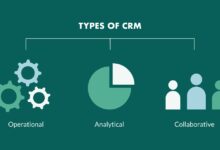
A Customer Relationship Management (CRM) system is a software tool designed to help businesses manage interactions with current and potential customers. For small businesses, this means organizing customer data, tracking sales, automating marketing, and improving customer service—all in one centralized platform.
Core Functions of a Small Business CRM
At its heart, a CRM system for small business simplifies how you connect with customers. It replaces scattered spreadsheets, sticky notes, and endless email threads with a unified digital workspace.
- Contact Management: Store customer names, emails, phone numbers, purchase history, and communication logs.
- Sales Pipeline Tracking: Visualize where each lead is in the sales process—from first inquiry to closed deal.
- Task Automation: Automate follow-up emails, reminders, and appointment scheduling to save time.
These functions help small teams stay organized without hiring additional staff. According to Investopedia, CRM systems can increase sales by up to 29% when implemented correctly.
Why Small Businesses Need CRM Technology
Many small business owners assume CRM tools are too complex or expensive. But modern cloud-based CRMs have made these systems affordable, intuitive, and scalable.
Without a CRM, businesses risk losing leads, miscommunicating with clients, or missing renewal opportunities. A study by Nucleus Research found that CRM delivers an average $8.71 return for every dollar spent—making it one of the most cost-effective tools available.
“A CRM isn’t just a database—it’s a strategy for growth.” — Forbes
Top 7 Benefits of a CRM System for Small Business
Implementing a CRM system for small business isn’t just about technology—it’s about transformation. From boosting productivity to enhancing customer loyalty, the advantages are both measurable and meaningful.
1. Improved Customer Relationships
Strong customer relationships are the foundation of any successful small business. A CRM system allows you to track every interaction—calls, emails, purchases, complaints, and compliments—so nothing falls through the cracks.
For example, if a customer emails with a question about a product they bought six months ago, your team can instantly pull up their history and respond personally. This level of service builds trust and encourages repeat business.
- Access full customer profiles in seconds
- Personalize communication based on past behavior
- Anticipate needs using purchase patterns
According to Salesforce, 76% of customers expect consistent interactions across departments—something only possible with a centralized CRM.
2. Increased Sales Efficiency
Sales teams waste an average of 33% of their time on administrative tasks. A CRM system for small business automates much of this busywork, allowing reps to focus on closing deals.
crm system for small business – Crm system for small business menjadi aspek penting yang dibahas di sini.
With features like lead scoring, pipeline dashboards, and automated follow-ups, your team can prioritize high-value prospects and reduce response times. Some platforms even suggest the best time to call a lead based on their activity.
- Automate lead assignment to the right salesperson
- Track deal stages with visual sales funnels
- Send personalized email sequences at scale
Tools like HubSpot and Zoho CRM offer built-in calling and email tracking, so you know exactly when a prospect opens your message or clicks a link.
3. Enhanced Marketing Effectiveness
Marketing without data is like driving blindfolded. A CRM system for small business collects valuable customer insights that power smarter campaigns.
You can segment your audience by demographics, behavior, or purchase history. Then, launch targeted email campaigns, social media ads, or SMS promotions tailored to each group.
- Create dynamic email lists based on user actions
- Measure campaign ROI with built-in analytics
- Trigger automated workflows (e.g., welcome series, cart abandonment)
For instance, if someone downloads a free guide from your website, the CRM can automatically add them to a nurture sequence that educates them about your services over the next two weeks.
4. Better Team Collaboration
When customer information lives in one place, collaboration becomes seamless. No more forwarding emails or asking colleagues, “Did you follow up with Mr. Smith?”
A CRM acts as a shared workspace where team members can log calls, update notes, assign tasks, and tag each other—ensuring everyone stays on the same page.
- Assign tasks with deadlines and reminders
- Tag team members in customer records
- Track internal communication within client profiles
This transparency reduces duplication of effort and improves accountability. As noted by Gartner, small businesses using collaborative CRM tools report 25% faster response times to customer inquiries.
5. Data-Driven Decision Making
Intuition has its place, but data drives growth. A CRM system for small business generates reports on sales performance, customer retention, marketing ROI, and more.
These insights help you identify trends, spot bottlenecks, and make informed decisions. For example, if your data shows that most conversions happen after the third email, you can adjust your follow-up strategy accordingly.
- Generate real-time dashboards for key metrics
- Forecast revenue based on pipeline health
- Analyze customer churn and take preventive action
Platforms like Insightly and Pipedrive offer drag-and-drop reporting tools that don’t require technical expertise—perfect for non-tech-savvy entrepreneurs.
crm system for small business – Crm system for small business menjadi aspek penting yang dibahas di sini.
6. Scalability Without Complexity
One of the biggest fears small business owners have is outgrowing their tools. But a good CRM system for small business grows with you.
Start with basic contact management and add features like project tracking, inventory integration, or AI-powered insights as your needs evolve. Most cloud-based CRMs offer tiered pricing, so you only pay for what you use.
- Scale from solo entrepreneur to multi-user teams
- Add integrations (e.g., accounting, e-commerce, telephony)
- Switch plans seamlessly as your business expands
For example, Freshsales allows you to begin with a free plan for up to 10 users and upgrade to advanced AI features as your customer base grows.
7. Improved Customer Retention and Loyalty
Acquiring a new customer costs five times more than retaining an existing one. A CRM system helps you keep customers coming back by delivering consistent, personalized experiences.
By tracking support tickets, renewal dates, and satisfaction scores, you can proactively address issues before they escalate. You can also reward loyal customers with exclusive offers or early access to new products.
- Set alerts for contract renewals or expiring subscriptions
- Track Net Promoter Score (NPS) trends
- Launch loyalty programs directly from the CRM
As highlighted by Zendesk, companies using CRM systems see up to a 27% increase in customer retention rates.
How to Choose the Right CRM System for Small Business
With dozens of options on the market, selecting the right CRM system for small business can feel overwhelming. The key is to focus on your specific needs, budget, and long-term goals.
Identify Your Business Needs
Before comparing features, ask yourself: What problems are you trying to solve?
- Are you losing leads due to poor follow-up?
- Do you struggle to personalize marketing messages?
- Is your sales process disorganized?
Answering these questions will help you prioritize features. For example, if lead management is your biggest challenge, look for a CRM with strong automation and lead scoring capabilities.
Consider Ease of Use and Setup Time
Even the most powerful CRM is useless if your team won’t use it. Look for platforms with intuitive interfaces, mobile apps, and quick onboarding processes.
Many vendors offer free trials or live demos. Take advantage of these to test usability. Platforms like Agile CRM and Capsule are known for their user-friendly designs and minimal learning curves.
crm system for small business – Crm system for small business menjadi aspek penting yang dibahas di sini.
- Check for drag-and-drop customization
- Look for pre-built templates and workflows
- Ensure mobile compatibility for remote teams
A study by Capterra found that 68% of small businesses prioritize ease of use over advanced features when choosing a CRM.
Evaluate Integration Capabilities
Your CRM shouldn’t exist in isolation. It should connect seamlessly with the tools you already use—like email, calendars, e-commerce platforms, and accounting software.
Popular integrations include:
- Mailchimp (email marketing)
- QuickBooks (accounting)
- Shopify (e-commerce)
- Google Workspace (calendar & email)
Zapier support is a big plus, as it allows you to create custom workflows between apps without coding. For example, you can automatically create a CRM contact whenever someone fills out a Google Form.
Top 5 CRM Systems for Small Business in 2024
Not all CRMs are created equal. Here’s a breakdown of the top five platforms tailored for small businesses, based on affordability, functionality, and user satisfaction.
1. HubSpot CRM
HubSpot offers a powerful free CRM that’s perfect for startups and growing businesses. Its clean interface, robust automation, and extensive integration library make it a top choice.
- Pros: Free forever plan, excellent email tracking, intuitive UI
- Cons: Advanced features require paid upgrades
- Best for: Marketing-focused small businesses
Learn more at HubSpot CRM.
2. Zoho CRM
Zoho CRM combines affordability with enterprise-grade features. It’s highly customizable and offers AI-powered sales assistant tools.
- Pros: Scalable pricing, AI insights, strong mobile app
- Cons: Interface can feel cluttered for beginners
- Best for: Tech-savvy teams wanting flexibility
Explore options at Zoho CRM.
3. Freshsales (by Freshworks)
Freshsales stands out with its AI-driven lead scoring and built-in phone system. It’s ideal for sales-heavy small businesses.
- Pros: Free plan available, AI-based insights, voice calling included
- Cons: Limited third-party integrations compared to rivals
- Best for: Sales teams needing calling and email automation
Visit Freshsales for details.
crm system for small business – Crm system for small business menjadi aspek penting yang dibahas di sini.
4. Insightly
Insightly excels at project and contact management, making it ideal for service-based businesses like consultants or agencies.
- Pros: Project tracking, relationship linking, easy setup
- Cons: Reporting tools are less advanced than competitors
- Best for: Project-driven small businesses
Check it out at Insightly.
5. Pipedrive
Pipedrive is built for sales pipeline visualization. Its drag-and-drop interface makes it easy to move deals through stages.
- Pros: Intuitive sales funnel, strong automation, great for beginners
- Cons: Marketing features are limited in lower tiers
- Best for: Sales-focused startups
Learn more at Pipedrive.
Common CRM Implementation Mistakes to Avoid
Even the best CRM system for small business can fail if implemented poorly. Here are the most common pitfalls and how to avoid them.
1. Lack of Team Training
Rolling out a CRM without proper training leads to low adoption. Employees may revert to old habits if they don’t understand the value or mechanics of the system.
- Schedule onboarding sessions
- Create quick-reference guides
- Appoint an internal CRM champion
According to CIO.com, 43% of CRM failures stem from inadequate user training.
2. Poor Data Migration
Transferring data from spreadsheets or legacy systems can introduce errors. Duplicates, missing fields, or incorrect formatting can undermine trust in the CRM.
- Clean your data before importing
- Use CSV templates provided by the vendor
- Test with a small batch first
Always back up your original data before migration.
3. Over-Customization
While customization is powerful, going overboard can make the system complex and slow. Avoid creating too many custom fields or workflows early on.
- Start with default settings
- Add features gradually as needed
- Focus on solving immediate pain points
Remember: Simplicity drives adoption.
crm system for small business – Crm system for small business menjadi aspek penting yang dibahas di sini.
How to Maximize ROI from Your CRM System for Small Business
Investing in a CRM is just the beginning. To truly benefit, you need to use it strategically and consistently.
Set Clear Goals and KPIs
Define what success looks like. Is it a 20% increase in lead conversion? A 15% reduction in response time? Track these metrics before and after CRM implementation.
- Monitor sales cycle length
- Measure customer satisfaction (CSAT)
- Track marketing campaign performance
Use your CRM’s reporting tools to visualize progress and adjust tactics as needed.
Automate Routine Tasks
One of the biggest advantages of a CRM system for small business is automation. Use it to handle repetitive tasks like:
- Sending follow-up emails after a meeting
- Updating deal stages based on customer actions
- Assigning leads to sales reps based on territory
Automation frees up time for higher-value activities like strategy and relationship-building.
Integrate with Other Business Tools
A standalone CRM is useful, but a connected ecosystem is transformative. Integrate your CRM with:
- Email marketing platforms (e.g., Mailchimp)
- Accounting software (e.g., QuickBooks)
- Customer support tools (e.g., Zendesk)
This creates a 360-degree view of the customer and eliminates data silos.
Future Trends in CRM for Small Businesses
The CRM landscape is evolving fast. Small businesses that stay ahead of trends can gain a competitive edge.
AI-Powered Insights and Predictions
Artificial intelligence is no longer just for tech giants. Modern CRMs use AI to predict customer behavior, recommend next steps, and even draft emails.
For example, Salesforce Einstein and Zia by Zoho analyze historical data to forecast which leads are most likely to convert—helping small teams prioritize effectively.
Mobile-First CRM Experiences
With more employees working remotely, mobile CRM access is essential. Leading platforms now offer full-featured apps that allow users to update records, make calls, and close deals from their smartphones.
crm system for small business – Crm system for small business menjadi aspek penting yang dibahas di sini.
Look for CRMs with offline mode, voice input, and push notifications to keep your team connected on the go.
Increased Focus on Customer Experience (CX)
The future of CRM isn’t just about managing relationships—it’s about enhancing them. Expect more tools focused on personalization, sentiment analysis, and omnichannel engagement.
Small businesses will leverage CRM data to deliver hyper-relevant experiences across email, chat, social media, and phone—building deeper loyalty in the process.
What is a CRM system for small business?
A CRM system for small business is a software tool that helps manage customer interactions, track sales, automate marketing, and improve service—all in one place. It’s designed to be affordable, easy to use, and scalable for growing teams.
Is a CRM worth it for small businesses?
Yes. A CRM can increase sales efficiency, improve customer retention, and reduce administrative workload. With many platforms offering free or low-cost plans, the return on investment is often significant.
How much does a CRM system cost for a small business?
Costs vary, but many CRMs offer free plans for up to 10 users. Paid plans typically range from $10 to $50 per user per month, depending on features.
Can I use a CRM without technical skills?
Absolutely. Most modern CRMs are designed for non-technical users, with drag-and-drop interfaces, pre-built templates, and guided onboarding.
crm system for small business – Crm system for small business menjadi aspek penting yang dibahas di sini.
How long does it take to implement a CRM?
With cloud-based systems, you can be up and running in as little as one day. Full adoption across a team may take 2–4 weeks, including training and data migration.
Adopting a CRM system for small business is one of the smartest moves you can make. It streamlines operations, strengthens customer relationships, and fuels growth—all while saving time and money. Whether you’re a solopreneur or a growing team, there’s a CRM solution that fits your needs and budget. The key is to start small, stay consistent, and scale wisely. In today’s competitive market, a CRM isn’t a luxury—it’s a necessity for sustainable success.
Further Reading: