Ever wondered what ‘b2b meaning’ really stands for in today’s fast-paced business world? It’s more than just an acronym—it’s the backbone of global commerce, connecting companies to fuel growth, innovation, and long-term partnerships.




Understanding the Core B2B Meaning

At its heart, the b2b meaning refers to ‘business-to-business’—a model where one company sells products or services to another, rather than to individual consumers. This model underpins vast sectors of the global economy, from manufacturing to software solutions.
What Does B2B Stand For?
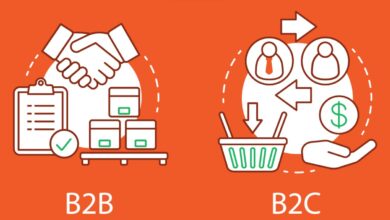
B2B stands for ‘business-to-business,’ a term used to describe commercial transactions between two or more companies. Unlike B2C (business-to-consumer), where businesses sell directly to end users, B2B involves organizations selling to other organizations.
- Transactions occur between suppliers and manufacturers
- Common in industries like logistics, IT, and wholesale
- Focuses on long-term contracts and bulk orders
Historical Evolution of B2B Commerce
The concept of B2B has existed for centuries, but its modern form began evolving during the Industrial Revolution. As factories required raw materials and machinery, structured supply chains emerged, laying the foundation for today’s B2B networks.
According to Investopedia, the formalization of B2B practices accelerated in the 20th century with the rise of corporate procurement departments and standardized purchasing protocols.
“B2B commerce is the engine of the global economy, accounting for over 80% of all trade worldwide.” — McKinsey & Company
B2B Meaning in Modern Business Contexts
The b2b meaning has evolved beyond simple transactions. Today, it encompasses digital platforms, data-driven decision-making, and strategic alliances that shape how companies operate and grow.
How Digital Transformation Reshaped B2B
The internet revolutionized B2B interactions. Online marketplaces, e-procurement systems, and cloud-based platforms have made it easier for businesses to find suppliers, negotiate contracts, and manage logistics efficiently.
- Platforms like Alibaba and ThomasNet connect global suppliers with buyers
- ERP systems streamline order processing and inventory management
- Digital catalogs replace traditional print brochures
The Role of Data and Analytics in B2B
Modern B2B operations rely heavily on data analytics to predict demand, optimize pricing, and personalize customer experiences. Companies use CRM tools like Salesforce to track client interactions and forecast sales trends.
A report by Gartner highlights that over 70% of B2B buyers now expect personalized engagement based on their past behavior and industry needs.
Key Differences Between B2B and B2C
Understanding the b2b meaning requires contrasting it with B2C (business-to-consumer). While both involve selling, the dynamics, decision-making processes, and marketing strategies differ significantly.
Decision-Making Complexity
In B2B, purchasing decisions are often made by committees or procurement teams after thorough evaluation. This contrasts with B2C, where individuals make quicker, emotion-driven choices.
- B2B: Multiple stakeholders involved (finance, operations, IT)
- B2C: Single buyer, influenced by branding and emotions
- B2B sales cycles can last months or even years
Pricing and Contract Structures
B2B pricing is typically negotiated and based on volume, longevity, and customization. Contracts are formalized with service-level agreements (SLAs), whereas B2C pricing is usually fixed and transparent.
“In B2B, price is just one factor—value, reliability, and integration capabilities matter more.” — Harvard Business Review
Types of B2B Business Models
The b2b meaning extends across various operational models, each tailored to specific industries and value chains. Recognizing these models helps businesses position themselves effectively in the market.
Manufacturer to Business (M2B)
This model involves manufacturers selling finished goods or components directly to other businesses. For example, a steel producer supplying materials to automotive companies.
- High-volume, low-margin transactions
- Long-term supply agreements common
- Quality control and consistency are critical
Wholesaler to Business (W2B)
Wholesalers buy in bulk from manufacturers and resell to retailers or other businesses. This model adds a distribution layer, enabling smaller companies to access large inventories without direct factory ties.
As noted by NFIB, wholesalers play a crucial role in stabilizing supply chains and reducing logistics costs for mid-sized enterprises.
Service-Based B2B Providers
These companies offer specialized services such as IT support, consulting, legal advisory, or digital marketing. Their value lies in expertise rather than physical products.
- Revenue often based on retainer models or project fees
- Client relationships are long-term and trust-based
- Success depends on measurable outcomes and ROI
The Importance of B2B Relationships
One of the most profound aspects of the b2b meaning is the emphasis on relationship-building. Unlike transactional B2C models, B2B thrives on trust, collaboration, and mutual growth.
Building Trust Through Consistency
In B2B, consistency in delivery, communication, and quality builds credibility. A single missed deadline or subpar product can damage a years-long partnership.
- Regular performance reviews and feedback loops
- Transparent communication channels
- Proactive problem-solving and accountability
Long-Term Contracts and Strategic Alliances
Many B2B relationships are formalized through multi-year contracts that outline deliverables, service levels, and penalties. These agreements create stability for both parties and enable long-term planning.
For instance, IBM’s partnerships with enterprise clients often span decades, involving continuous upgrades, support, and co-development of solutions.
B2B Marketing Strategies That Work
Marketing in the context of b2b meaning requires a different approach than B2C. It focuses on logic, ROI, and professional credibility rather than emotional appeal.
Content Marketing for B2B Audiences
High-quality content such as whitepapers, case studies, and webinars helps establish authority and educate potential clients. According to Content Marketing Institute, 91% of B2B marketers use content marketing to generate leads and nurture prospects.
- Focus on solving industry-specific pain points
- Use data and real-world examples to build credibility
- Distribute content through LinkedIn, email newsletters, and industry portals
Account-Based Marketing (ABM)
ABM is a targeted strategy where marketing and sales teams collaborate to pursue high-value accounts with personalized campaigns. This approach aligns perfectly with the complex nature of B2B sales.
b2b meaning – B2b meaning menjadi aspek penting yang dibahas di sini.
“ABM delivers 200% higher win rates compared to traditional outbound methods.” — ITSMA
Lead Generation and Nurturing
B2B lead generation relies on capturing qualified prospects through gated content, trade shows, and digital advertising. Once captured, leads are nurtured through automated email sequences and sales outreach.
- Use lead scoring to prioritize high-intent prospects
- Integrate CRM and marketing automation tools
- Measure conversion rates at each stage of the funnel
Challenges in the B2B Landscape
Despite its advantages, the b2b meaning also encompasses significant challenges that companies must navigate to remain competitive and sustainable.
Complex Sales Cycles
B2B sales cycles are often lengthy and involve multiple touchpoints. A single deal may require dozens of meetings, technical evaluations, legal reviews, and budget approvals.
- Sales teams must be patient and persistent
- Need for detailed documentation and proposals
- Risk of deal fatigue or stakeholder turnover
Customer Retention and Churn
While acquiring new B2B clients is expensive, retaining them is equally challenging. Market shifts, pricing pressures, and service failures can lead to contract non-renewals.
A study by Bain & Company found that increasing customer retention rates by just 5% can boost profits by 25% to 95%.
Adapting to Technological Change
From AI-powered analytics to blockchain-based supply chain tracking, B2B companies must continuously innovate to meet evolving client expectations. Failure to adopt new technologies can result in lost competitiveness.
- Investment in digital transformation is no longer optional
- Employees need ongoing training and upskilling
- Legacy systems can hinder agility and scalability
Future Trends Shaping B2B Meaning
The future of b2b meaning is being reshaped by globalization, digital innovation, and changing buyer expectations. Companies that anticipate these trends will gain a strategic advantage.
Rise of AI and Automation in B2B
Artificial intelligence is transforming how B2B companies interact with clients. Chatbots handle initial inquiries, predictive analytics forecast demand, and machine learning optimizes pricing strategies.
- AI-driven personalization enhances customer experience
- Automated contract management reduces administrative burden
- Smart procurement systems recommend optimal suppliers
Sustainability and Ethical Sourcing
Modern B2B buyers increasingly prioritize sustainability. Companies are expected to demonstrate ethical labor practices, carbon footprint reduction, and responsible sourcing.
As reported by McKinsey, 60% of B2B decision-makers consider environmental impact when selecting suppliers.
Globalization and Cross-Border B2B Trade
Digital platforms have made it easier for businesses to operate internationally. However, cross-border B2B transactions come with regulatory, logistical, and cultural complexities.
- Need for compliance with international trade laws
- Localizing communication and support services
- Managing currency fluctuations and payment risks
What is the basic b2b meaning?
The basic b2b meaning refers to business-to-business transactions, where one company provides products or services to another company rather than to individual consumers. It’s a foundational model in global commerce.
How does B2B differ from B2C?
B2B involves longer sales cycles, multiple decision-makers, and a focus on value and ROI, while B2C is typically faster, emotionally driven, and targets individual buyers with simpler purchasing processes.
What are common examples of B2B companies?
Examples include software providers like Microsoft (selling to enterprises), manufacturers like Siemens, wholesale distributors like Grainger, and professional service firms like Deloitte.
Why is relationship management crucial in B2B?
Strong relationships lead to long-term contracts, repeat business, and referrals. Trust and reliability are essential because B2B purchases often involve significant investment and operational impact.
What role does technology play in modern B2B?
Technology enables automation, data analytics, digital marketplaces, and personalized marketing. Platforms like Salesforce, HubSpot, and SAP are integral to managing B2B operations efficiently.
Understanding the true b2b meaning goes far beyond a simple definition—it’s about recognizing its role as the engine of global commerce. From historical roots to digital transformation, B2B shapes how companies collaborate, innovate, and grow. Whether it’s through strategic partnerships, data-driven marketing, or adapting to AI and sustainability trends, the B2B landscape is dynamic and essential. By mastering its principles, businesses can build lasting relationships, drive efficiency, and stay ahead in an ever-evolving marketplace.
b2b meaning – B2b meaning menjadi aspek penting yang dibahas di sini.
Further Reading: