Ever wondered how companies sell to other companies? That’s B2B in action—complex, strategic, and incredibly powerful when done right.





What Exactly Is B2B?

Business-to-business, or B2B, refers to transactions between companies rather than between a company and individual consumers (which is B2C). This model powers global supply chains, tech integrations, and enterprise solutions. Unlike B2C, B2B decisions are often based on logic, ROI, and long-term value.
The Core Definition of B2B
At its heart, B2B involves one business providing products or services to another. This could be a software company selling CRM tools to enterprises, a manufacturer supplying parts to an automaker, or a consulting firm advising on digital transformation. The key is that the customer is another business entity.
- Transactions are typically high-value and long-cycle.
- Decision-making involves multiple stakeholders.
- Sales processes are relationship-driven and consultative.
“B2B is not just about selling—it’s about solving business problems at scale.” — Forbes Insights
B2B vs. B2C: Key Differences
While both models aim to generate revenue, their approaches diverge significantly. B2C marketing often appeals to emotions and impulse, while B2B focuses on efficiency, cost savings, and strategic advantage.
- Target Audience: B2B targets professionals; B2C targets end-users.
- Sales Cycle: B2B cycles can last months or years; B2C is often immediate.
- Marketing Tone: B2B uses data and case studies; B2C uses lifestyle imagery and emotional triggers.
Understanding these distinctions is critical for crafting effective strategies. For deeper insights, check out Investopedia’s breakdown of B2B fundamentals.
Why B2B Matters in Today’s Economy
B2B commerce forms the backbone of the global economy. According to McKinsey & Company, the global B2B e-commerce market is projected to reach $20.9 trillion by 2027—larger than B2C. This growth is fueled by digital transformation, automation, and evolving buyer expectations.
Scale and Economic Impact
B2B transactions account for the vast majority of all commercial activity. From raw materials to SaaS platforms, businesses rely on other businesses to operate. For example, a smartphone manufacturer depends on dozens of B2B suppliers for chips, screens, packaging, logistics, and software.
- Over 80% of global trade is B2B-related.
- Industries like manufacturing, healthcare, and IT are deeply interconnected through B2B networks.
- Even consumer-facing brands like Nike or Apple engage in massive B2B operations with suppliers and distributors.
Resilience and Long-Term Value
B2B relationships are built on trust, reliability, and performance. Unlike B2C, where customer loyalty can be fickle, B2B clients often stay with vendors for years if they deliver consistent value. This creates predictable revenue streams and opportunities for upselling.
- Customer lifetime value (CLV) is significantly higher in B2B.
- Contracts and service-level agreements (SLAs) ensure stability.
- Partnerships often evolve into co-innovation efforts.
“The most successful B2B companies don’t just sell products—they become strategic partners.” — Harvard Business Review
The Evolution of B2B: From Fax Machines to AI
The B2B landscape has undergone a radical transformation over the past few decades. What once relied on phone calls, trade shows, and paper catalogs now thrives on digital platforms, data analytics, and artificial intelligence.
Historical Shifts in B2B Commerce
In the 20th century, B2B sales were largely offline and relationship-based. Buyers met suppliers at industry expos, negotiated over the phone, and placed orders via fax. The internet changed everything. By the late 1990s, e-procurement systems and early B2B marketplaces like Alibaba began emerging.
- 1995–2005: Rise of B2B e-commerce platforms.
- 2005–2015: CRM systems and email marketing became standard.
- 2015–Present: AI, personalization, and omnichannel engagement dominate.
Digital Transformation in B2B
Today’s B2B buyers expect Amazon-like experiences: seamless navigation, instant access to information, and personalized recommendations. Companies that fail to meet these expectations risk losing market share.
- 74% of B2B buyers conduct more than half their research online before contacting a sales rep (Source: Gartner).
- AI-powered chatbots handle initial inquiries and qualify leads.
- Data analytics enable hyper-targeted content and ad campaigns.
The shift isn’t just technological—it’s cultural. B2B brands now invest heavily in content marketing, thought leadership, and customer success teams to build trust and authority.
B2B Marketing: Strategies That Deliver Results
Effective B2B marketing goes beyond flashy ads. It’s about positioning your brand as a trusted advisor. Given the complexity of B2B purchases, marketing must educate, nurture, and guide prospects through a long decision-making journey.
Content Marketing for B2B
Content is king in B2B. Decision-makers seek in-depth information to justify purchases. Whitepapers, case studies, webinars, and technical blogs are essential tools.
- Create buyer personas to tailor content (e.g., CTO vs. Procurement Manager).
- Use gated content to capture leads (e.g., download a report in exchange for an email).
- Publish on LinkedIn and industry-specific platforms to reach professionals.
For example, HubSpot’s blog generates millions of visits monthly by offering actionable marketing advice, establishing them as a go-to resource. Learn more at HubSpot’s B2B Content Marketing Guide.
Account-Based Marketing (ABM)
ABM flips traditional marketing on its head. Instead of casting a wide net, ABM targets specific high-value accounts with personalized campaigns.
- Identify key accounts based on revenue potential and strategic fit.
- Develop custom content and outreach for each account.
- Align sales and marketing teams to engage decision-makers directly.
“ABM delivers 200% higher ROI than traditional demand generation.” — ITSMA
Companies like Salesforce and Adobe use ABM to win enterprise clients by offering tailored demos, executive briefings, and industry-specific solutions.
The B2B Sales Process: From Lead to Close
Selling in B2B is a marathon, not a sprint. The process involves multiple stages, stakeholders, and touchpoints. A well-defined sales funnel is crucial for consistency and scalability.
Stages of the B2B Sales Funnel
The typical B2B sales funnel includes awareness, consideration, decision, and retention. Each stage requires different tactics.
- Awareness: Use SEO, social media, and paid ads to attract prospects.
- Consideration: Offer product comparisons, free trials, and consultations.
- Decision: Provide proposals, contracts, and ROI calculators.
- Retention: Onboard customers, offer support, and identify upsell opportunities.
Tools like Salesforce CRM help track leads through each stage, ensuring no opportunity slips through the cracks.
The Role of Relationship Building
In B2B, trust is everything. Sales reps must act as consultants, not just order-takers. They need to understand the client’s business challenges and offer solutions that align with strategic goals.
- Regular check-ins and business reviews strengthen relationships.
- Transparency in pricing and capabilities builds credibility.
- Handling objections with data and case studies reassures buyers.
A study by Capterra found that 78% of B2B buyers prefer to work with vendors who demonstrate industry expertise.
B2B Technology and Tools That Drive Efficiency
Technology is the engine of modern B2B operations. From automation to analytics, the right tools can streamline processes, reduce costs, and improve customer experiences.
CRM Systems: The Backbone of B2B
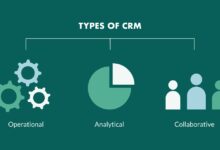
Customer Relationship Management (CRM) platforms like Salesforce, HubSpot, and Zoho centralize customer data, track interactions, and automate workflows.
- Track leads, deals, and communication history in one place.
- Automate follow-ups and task reminders.
- Generate reports on sales performance and pipeline health.
According to Nucleus Research, every dollar invested in CRM returns $8.71 on average.
Marketing Automation and AI
Tools like Marketo, Pardot, and Drift enable B2B marketers to scale personalized outreach. AI enhances these systems by predicting buyer behavior and optimizing campaigns.
- Send targeted email sequences based on user behavior.
- Use chatbots to qualify leads 24/7.
- Leverage predictive analytics to identify high-intent prospects.
“AI is not replacing B2B marketers—it’s empowering them to be more strategic.” — McKinsey
B2B Challenges and How to Overcome Them
Despite its potential, B2B comes with unique challenges. Long sales cycles, complex decision-making, and intense competition can hinder growth. But with the right strategies, these obstacles can be overcome.
Lengthy Sales Cycles
B2B purchases often require approvals from multiple departments—finance, IT, legal, and operations. This slows down decisions and increases the risk of deal slippage.
- Shorten cycles by providing clear ROI models and risk assessments.
- Engage champions within the client organization to advocate for your solution.
- Offer pilot programs or proof-of-concept trials to reduce perceived risk.
Multi-Stakeholder Decision Making
In B2B, you’re rarely selling to one person. A single deal might involve a technical evaluator, a budget holder, and an executive sponsor.
- Create tailored messaging for each stakeholder (e.g., cost savings for CFOs, security features for CIOs).
- Use stakeholder mapping to identify influencers and blockers.
- Host multi-departmental demos to address diverse concerns.
Forbes highlights that 65% of failed B2B deals result from misaligned stakeholder expectations.
B2B Future Trends: What’s Next?
The future of B2B is digital, data-driven, and customer-centric. Companies that adapt to emerging trends will gain a competitive edge.
Rise of Self-Service B2B Platforms
Just like consumers, B2B buyers want autonomy. Platforms like Slack, Zoom, and Shopify allow businesses to sign up, explore features, and upgrade plans without human intervention.
- Offer freemium models to lower entry barriers.
- Build intuitive onboarding experiences.
- Use in-app guidance to educate users.
This trend is especially strong in SaaS, where ease of adoption drives rapid scaling.
Sustainability and Ethical Sourcing
B2B buyers increasingly prioritize sustainability. A 2023 IBM study found that 68% of B2B procurement officers consider environmental impact when choosing suppliers.
- Highlight eco-friendly practices in marketing materials.
- Obtain certifications like ISO 14001 or B Corp.
- Partner with green logistics providers.
“Sustainability isn’t a cost—it’s a competitive advantage in B2B.” — IBM Institute for Business Value
What is B2B?
B2B, or business-to-business, refers to transactions where one company sells products or services to another company, rather than to individual consumers. It’s common in industries like manufacturing, software, and wholesale distribution.
How does B2B marketing differ from B2C?
B2B marketing focuses on logic, ROI, and long-term value, targeting professionals with detailed content like whitepapers and case studies. B2C appeals to emotions and personal needs, using ads and promotions to drive quick purchases.
What are the key components of a successful B2B strategy?
A successful B2B strategy includes clear buyer personas, content marketing, account-based marketing, CRM integration, and a focus on relationship-building and customer success.
Why is digital transformation important in B2B?
Digital transformation enables B2B companies to meet modern buyer expectations, automate processes, personalize experiences, and compete in a fast-evolving marketplace.
What role does AI play in B2B?
AI enhances B2B operations by automating lead scoring, personalizing marketing, predicting customer behavior, and improving sales forecasting accuracy.
Mastering B2B requires a blend of strategy, technology, and human insight. From understanding the core principles to leveraging cutting-edge tools, businesses that prioritize value, relationships, and innovation will thrive. The future of B2B is not just about selling—it’s about solving real business challenges in smarter, more sustainable ways.
Further Reading: