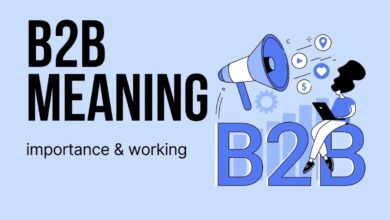
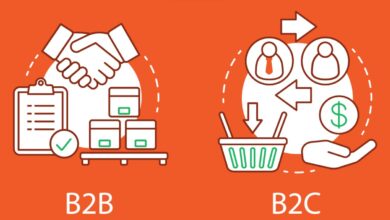
Ever wondered how companies sell to other companies? Let’s dive into real-world B2B examples that shape industries, drive innovation, and fuel global economies—with clarity, depth, and a touch of insight.




B2B Examples in Manufacturing: The Backbone of Global Supply Chains

Manufacturing is one of the oldest and most fundamental sectors where B2B transactions thrive. In this space, companies don’t sell directly to consumers but instead provide raw materials, components, or finished goods to other businesses that either use them in production or resell them.
Raw Material Suppliers to Industrial Firms
One of the most classic B2B examples is the relationship between raw material suppliers and large-scale manufacturers. For instance, a steel producer like Nucor Corporation sells its products to automakers such as Ford or construction firms like Bechtel. These transactions are typically high-volume, long-term, and contract-based.
- Steel suppliers provide materials for automotive, aerospace, and infrastructure projects.
- Chemical companies like BASF supply polymers and resins used in packaging and electronics.
- Timber and lumber providers serve construction and furniture manufacturing industries.
This model relies heavily on supply chain efficiency, quality assurance, and logistics coordination. According to the McKinsey & Company report on mining and metals, B2B supply chains in manufacturing are becoming more digitized to improve forecasting and reduce waste.
Component Manufacturers for Assembly Lines
Another critical B2B example is component manufacturing. Companies like Bosch or Panasonic produce parts—such as sensors, circuit boards, or engines—that are integrated into larger products by OEMs (Original Equipment Manufacturers).
- Automotive suppliers provide brake systems, infotainment units, and transmission parts.
- Electronics firms manufacture microchips sold to smartphone and laptop makers.
- Aerospace component producers supply turbine blades and avionics to aircraft builders like Boeing.
“The modern factory is only as strong as its weakest supplier.” — IndustryWeek
These relationships often involve just-in-time (JIT) delivery models, requiring precise coordination. Disruptions, such as those seen during the 2020–2022 semiconductor shortage, highlight the fragility and importance of these B2B links.
B2B Examples in Technology: Software, SaaS, and IT Services
The tech industry has revolutionized B2B commerce, especially with the rise of cloud computing, Software-as-a-Service (SaaS), and enterprise solutions. Unlike B2C tech products, B2B tech is designed to solve business problems—improving efficiency, security, scalability, and data management.
SaaS Platforms for Enterprise Operations
SaaS is one of the fastest-growing segments in B2B examples today. Companies like Salesforce, Slack, and Zoom offer subscription-based software that helps businesses manage sales, communication, and collaboration.
- Salesforce provides CRM tools used by sales teams across industries.
- Workday delivers HR and financial management systems for large organizations.
- ServiceNow automates IT service management and workflow processes.
These platforms are typically sold through enterprise licensing agreements, with pricing based on user count, features, and integration needs. A report from Gartner estimates that the global SaaS market will exceed $230 billion by 2024, driven largely by B2B adoption.
Cloud Infrastructure Providers
Behind most digital operations today are cloud infrastructure giants like Amazon Web Services (AWS), Microsoft Azure, and Google Cloud Platform (GCP). These are quintessential B2B examples, offering scalable computing power, storage, and networking to businesses of all sizes.
- AWS powers Netflix’s streaming infrastructure and Airbnb’s booking system.
- Microsoft Azure supports enterprise applications like Dynamics 365 and Power BI.
- Google Cloud offers AI/ML tools and data analytics for research and logistics firms.
These services allow companies to avoid costly on-premise data centers, instead paying for what they use. The flexibility and reliability of cloud platforms have made them indispensable in modern B2B ecosystems.
B2B Examples in Logistics and Supply Chain Management
Efficient movement of goods is critical in B2B commerce. Logistics companies act as intermediaries, ensuring that products, raw materials, and equipment reach their destinations on time and in optimal condition.
Fleet and Freight Management Services
Companies like FedEx, DHL, and XPO Logistics specialize in transporting goods between businesses. These are not last-mile delivery services for consumers but large-scale freight operations involving trucks, planes, ships, and rail networks.
- DHL Express handles international B2B shipments for pharmaceutical and tech firms.
- Union Pacific operates freight trains moving agricultural and industrial goods across the U.S.
- Maersk provides container shipping services linking manufacturers in Asia with distributors in Europe.
These services often include tracking, customs clearance, and inventory management—features tailored to business clients. According to the Statista 2023 report, the global logistics market is valued at over $10 trillion, with B2B transactions forming the bulk of activity.
Third-Party Logistics (3PL) Providers
3PL companies go beyond transportation by offering warehousing, order fulfillment, and supply chain consulting. Examples include UPS Supply Chain Solutions and Kuehne + Nagel.
- They manage inventory for e-commerce brands selling B2B wholesale products.
- They optimize distribution networks to reduce delivery times and costs.
- They integrate with ERP systems to provide real-time logistics data.
For small and mid-sized businesses, outsourcing logistics to 3PLs allows them to focus on core competencies while maintaining professional supply chain operations.
B2B Examples in Professional Services: Consulting, Legal, and Marketing
Not all B2B examples involve physical products. Many businesses thrive by offering expertise, strategy, and specialized services to other organizations.
Management Consulting Firms
Firms like McKinsey & Company, Boston Consulting Group (BCG), and Deloitte advise corporations on strategy, operations, digital transformation, and organizational change.
- They help companies restructure for profitability or enter new markets.
- They conduct market research and competitive analysis for product launches.
- They implement cost-reduction strategies in manufacturing and retail sectors.
These engagements are typically project-based, with fees ranging from tens of thousands to millions of dollars. The value lies in data-driven insights and proven methodologies that can transform business performance.
Legal and Compliance Services for Corporations
Law firms such as Baker McKenzie, Latham & Watkins, and Clifford Chance serve as B2B partners by handling corporate law, mergers and acquisitions, intellectual property, and regulatory compliance.
- They draft contracts for international joint ventures.
- They defend companies in litigation or regulatory investigations.
- They ensure compliance with GDPR, HIPAA, or SOX regulations.
As global business becomes more complex, the demand for specialized legal counsel continues to grow. These services are essential for risk mitigation and long-term sustainability.
B2B Examples in Healthcare: Medical Equipment and Pharmaceutical Supply
The healthcare sector is rich with B2B interactions, from hospitals purchasing equipment to pharmacies sourcing medications from distributors.
Medical Device Manufacturers
Companies like Medtronic, Siemens Healthineers, and Philips produce diagnostic machines, surgical tools, and patient monitoring systems sold to hospitals, clinics, and research institutions.
- MRI and CT scanners are sold to radiology departments.
- Insulin pumps and pacemakers are distributed through healthcare providers.
- Telemedicine platforms are licensed to health networks for remote care.
These sales often involve lengthy procurement cycles, regulatory approvals, and training for medical staff. The B2B nature of this market ensures that innovation reaches patients through institutional channels.
Pharmaceutical Distribution Networks
Drug manufacturers like Pfizer and Johnson & Johnson don’t sell directly to patients. Instead, they rely on B2B distribution chains involving wholesalers, pharmacy benefit managers (PBMs), and hospital formularies.
- Cardinal Health and AmerisourceBergen distribute medications to retail and hospital pharmacies.
- CVS Health and OptumRx manage prescription benefits for employers and insurers.
- Hospitals purchase bulk supplies of vaccines, anesthetics, and chronic disease medications.
This ecosystem ensures drug availability while managing pricing, insurance reimbursement, and inventory control. It’s a complex but vital part of modern healthcare delivery.
B2B Examples in E-Commerce Platforms and Marketplaces
While e-commerce is often associated with B2C, many digital platforms are built specifically for B2B transactions, enabling bulk ordering, credit terms, and customized pricing.
Wholesale Marketplaces Like Alibaba and ThomasNet
Alibaba.com is one of the largest B2B examples globally, connecting manufacturers in China with buyers worldwide. It allows businesses to source everything from electronics to textiles in bulk.
- Small retailers use Alibaba to import products for resale.
- Large manufacturers source components for assembly lines.
- Government agencies procure supplies through verified suppliers.
Similarly, ThomasNet serves North American industrial buyers, offering a directory of suppliers for machinery, raw materials, and engineering services. These platforms reduce search costs and increase transparency in B2B procurement.
b2b examples – B2b examples menjadi aspek penting yang dibahas di sini.
B2B E-Commerce Within Corporate Procurement
Many large companies now use internal e-commerce portals for purchasing office supplies, IT equipment, and maintenance materials. Platforms like Grainger.com and Fastenal.com cater to this niche.
- Employees can order approved items with pre-negotiated pricing.
- Procurement teams track spending and manage vendor contracts.
- Integration with ERP systems ensures seamless accounting and inventory updates.
This shift from manual purchase orders to digital catalogs improves efficiency and reduces maverick spending. A Forrester study found that 73% of B2B buyers prefer to purchase online rather than through sales reps, signaling a major digital transformation.
B2B Examples in Energy and Utilities: Fueling Industrial Operations
Energy is a critical input for nearly every business, making energy providers key players in the B2B landscape. From electricity to natural gas, these companies power factories, data centers, and commercial buildings.
Electricity and Gas Suppliers to Industrial Clients
Utilities like Duke Energy, Enel, and E.ON sell power to manufacturing plants, data centers, and commercial real estate operators under long-term contracts.
- Data centers consume massive amounts of electricity for servers and cooling.
- Steel mills require uninterrupted power for smelting operations.
- Commercial buildings purchase energy for lighting, HVAC, and security systems.
These contracts often include demand response programs, where businesses agree to reduce usage during peak times in exchange for lower rates. This helps stabilize the grid and reduce costs for both parties.
Renewable Energy Providers in B2B Contracts
With the rise of sustainability goals, many companies are entering Power Purchase Agreements (PPAs) with renewable energy providers.
- Google and Amazon have signed PPAs for wind and solar farms to power their cloud infrastructure.
- Automakers like Tesla and BMW source green energy for their production facilities.
- Corporations buy Renewable Energy Certificates (RECs) to offset carbon emissions.
These B2B examples demonstrate how environmental responsibility is becoming a core part of business strategy. According to the REN21 Global Status Report, corporate PPAs accounted for over 20 GW of new renewable capacity in 2023 alone.
B2B Examples in Financial Services: Banking, Payments, and Fintech
Financial institutions serve businesses in numerous ways, from lending and treasury management to payment processing and risk mitigation.
Corporate Banking and Lending Services
Banks like JPMorgan Chase, HSBC, and Citibank offer specialized services for businesses, including business loans, lines of credit, and cash management.
- Mid-sized firms use commercial loans to expand operations or buy equipment.
- Large corporations use treasury services to manage global cash flow.
- Factoring companies provide immediate cash for outstanding invoices.
These services are essential for liquidity and growth, especially for companies with long sales cycles or seasonal demand.
Fintech Platforms for B2B Payments
Newer players like Stripe, PayPal for Business, and Adyen are transforming how businesses pay each other. These platforms enable instant invoicing, cross-border payments, and automated reconciliation.
- Stripe offers APIs for embedding payments into B2B software platforms.
- PayPal’s Working Capital program provides short-term financing based on sales history.
- Adyen processes payments for enterprise clients like Uber and Spotify.
By reducing friction in transactions, fintech is making B2B commerce faster and more transparent. A McKinsey report on B2B payments highlights that digitization could save businesses up to $1 trillion annually in processing costs.
B2B Examples in Education and Training: Upskilling the Workforce
As industries evolve, companies invest in employee development through B2B training providers and educational platforms.
Corporate Learning Management Systems (LMS)
Platforms like Coursera for Business, LinkedIn Learning, and SAP Litmos offer curated courses for professional development.
- IT teams learn cloud architecture and cybersecurity best practices.
- Sales departments train on CRM software and negotiation techniques.
- HR professionals take courses on diversity, equity, and inclusion.
These subscriptions allow businesses to scale training across global teams, ensuring compliance and skill alignment with strategic goals.
Specialized Training Providers for Technical Skills
Organizations like General Assembly, Pluralsight, and Udacity partner with companies to deliver bootcamps and certification programs in data science, software development, and digital marketing.
- Tech firms upskill employees in AI and machine learning.
- Manufacturers train workers on robotics and automation systems.
- Financial institutions teach analysts how to use Python for data modeling.
This form of B2B education bridges the skills gap and enhances workforce productivity, making it a strategic investment rather than a cost.
What are the most common B2B examples?
Common B2B examples include software companies selling SaaS to enterprises, manufacturers supplying parts to OEMs, logistics firms transporting goods between businesses, and consulting agencies providing expert services to corporations. These relationships form the backbone of global commerce.
How is B2B different from B2C?
B2B (Business-to-Business) involves transactions between companies, often with longer sales cycles, bulk orders, and relationship-based selling. B2C (Business-to-Consumer) targets individual customers with shorter decision-making processes and emotional appeals in marketing.
Why are B2B examples important for understanding the economy?
B2B examples reveal how industries interconnect. Since most economic activity occurs between businesses—rather than with consumers—understanding B2B dynamics helps explain supply chains, innovation diffusion, job creation, and overall market stability.
Can small businesses participate in B2B models?
Absolutely. Small businesses can thrive in B2B by offering niche products or services—like custom fabrication, digital marketing, or software development—to larger firms. Platforms like Alibaba, Upwork, and Shopify B2B make it easier than ever to reach business clients globally.
What role does technology play in modern B2B examples?
Technology has transformed B2B commerce by enabling e-procurement, automated invoicing, cloud collaboration, and data analytics. Digital platforms reduce friction, improve transparency, and allow for scalable growth—even for small B2B vendors.
From manufacturing giants to agile SaaS startups, the world of B2B examples is vast and vital. These business-to-business relationships power innovation, sustain supply chains, and drive economic growth. Whether it’s a cloud service, a shipment of steel, or a corporate training program, B2B transactions form the invisible infrastructure of modern commerce. Understanding them isn’t just useful—it’s essential for anyone looking to navigate today’s complex business landscape.
b2b examples – B2b examples menjadi aspek penting yang dibahas di sini.
Further Reading: