When it comes to dominating the global sportswear market, few names resonate as powerfully as B2B Adidas. This isn’t just a brand—it’s a business ecosystem driving innovation, partnerships, and performance across continents.





Understanding B2B Adidas: The Foundation of Global Sportswear Commerce

The term b2b adidas refers to the business-to-business operations that underpin one of the world’s most iconic sportswear brands. Unlike direct-to-consumer (DTC) models, B2B focuses on partnerships with retailers, distributors, wholesalers, and institutional buyers who then bring Adidas products to end users. This model has been central to Adidas’s global scalability and market penetration.
What Exactly Is B2B in the Context of Adidas?
B2B, or business-to-business, within the Adidas framework, involves selling products and services to other businesses rather than individual consumers. These partners include large retail chains like Foot Locker, independent sports stores, e-commerce platforms, and even corporate clients purchasing branded apparel for employee uniforms or promotional events.
- Adidas supplies products in bulk to retail partners under contractual agreements.
- The B2B model enables Adidas to maintain brand consistency while leveraging partner logistics and customer reach.
- It includes licensing deals, co-branded ventures, and supply chain collaborations.
How B2B Differs from B2C at Adidas
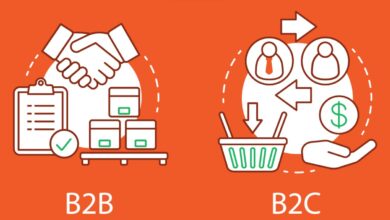
While B2C (business-to-consumer) channels like the Adidas online store or flagship retail outlets focus on individual shoppers, B2B operates behind the scenes, fueling the availability of Adidas products across thousands of touchpoints. The key differences lie in volume, pricing, relationship management, and distribution strategy.
B2B transactions involve larger order volumes and negotiated pricing tiers.Relationships are long-term and often governed by service level agreements (SLAs).Marketing support, inventory forecasting, and data sharing are integral parts of B2B collaboration.
.”The strength of Adidas’s global presence isn’t just in its branding—it’s in the robust B2B network that delivers its products to every corner of the world.” — Retail Strategy Analyst, McKinsey & Company
Key Players in the B2B Adidas Ecosystem
The success of b2b adidas relies on a complex web of stakeholders, each playing a critical role in the supply, distribution, and commercialization of Adidas products.Understanding who these players are and how they interact is essential for anyone looking to engage with the brand’s B2B arm..
Retail Partners and Distributors
Adidas collaborates with a global network of authorized retailers and regional distributors who act as intermediaries between the brand and consumers. These partners are carefully selected based on market reach, operational capability, and brand alignment.
- Major retail partners include JD Sports, Zalando, and Decathlon.
- Distributors manage logistics, warehousing, and local market adaptation in regions where Adidas does not have a direct presence.
- Partners must adhere to strict brand guidelines to ensure consistent customer experience.
Institutional and Corporate Clients
Beyond traditional retail, Adidas serves institutional clients such as schools, sports clubs, fitness centers, and corporations needing branded merchandise. These B2B relationships often involve custom product lines, bulk orders, and extended payment terms.
- Schools and universities order Adidas uniforms for athletic programs.
- Corporate wellness programs purchase branded activewear for employees.
- Event organizers source co-branded gear for marathons and sports tournaments.
Licensing and Co-Branding Partners
Adidas also engages in strategic licensing agreements with third-party manufacturers and designers to expand its product range without direct production. These partnerships allow the brand to enter new markets and categories efficiently.
- Collaborations with designers like Stella McCartney or Pharrell Williams fall under B2B licensing.
- Licensed manufacturers produce specific product lines under Adidas supervision.
- These deals often include royalty-based revenue models.
How B2B Adidas Drives Supply Chain Efficiency
One of the most impressive aspects of b2b adidas is its highly optimized supply chain. The company has invested heavily in digital transformation, sustainability, and logistics innovation to ensure timely delivery and operational excellence across its B2B network.
Digital Integration with Partners
Adidas uses advanced digital platforms to connect with its B2B partners, enabling real-time inventory tracking, order processing, and demand forecasting. Systems like SAP and custom-built partner portals streamline communication and reduce inefficiencies.
- Partners access dashboards to monitor stock levels, place orders, and track shipments.
- Data analytics help predict regional demand, reducing overstock and stockouts.
- Integration with ERP systems ensures seamless financial reconciliation.
Sustainability in the B2B Supply Chain
Sustainability is no longer optional—it’s a core requirement in modern B2B operations. Adidas has committed to reducing its carbon footprint across the entire value chain, and this extends directly to its B2B relationships.
- Suppliers must comply with Adidas’s sustainability standards, including the use of recycled materials.
- The company prioritizes eco-friendly packaging and low-emission transportation.
- Partners are encouraged to adopt circular economy practices, such as take-back programs.
“By 2025, 90% of Adidas products will use sustainable materials—this goal is only achievable through deep B2B collaboration.” — Adidas Sustainability Report 2023
B2B Adidas and Digital Transformation: The Role of E-Commerce Platforms
The digital revolution has transformed how b2b adidas operates. Today, B2B transactions are increasingly conducted online through dedicated e-commerce portals, mobile apps, and API-driven integrations that enhance speed, accuracy, and scalability.
Adidas Pro: The B2B E-Commerce Platform
Adidas Pro is a prime example of how the brand empowers its B2B partners with digital tools. Designed for retailers and resellers, this platform offers a seamless experience for browsing catalogs, placing orders, and accessing marketing assets.
- Users can filter products by category, season, or region.
- Real-time pricing and availability updates prevent order errors.
- Integrated CRM features allow partners to manage their accounts and support tickets.
API Integration for Enterprise Clients
For large institutional buyers, Adidas offers API-based integration that allows them to sync Adidas product data directly into their own procurement systems. This level of automation reduces manual work and accelerates order fulfillment.
- Enterprises can pull live inventory feeds into their internal platforms.
- Automated reordering systems trigger purchases when stock falls below thresholds.
- Data security and compliance are ensured through encrypted connections and authentication protocols.
Mobile-First B2B Engagement
Recognizing the shift toward mobile usage, Adidas has optimized its B2B interfaces for smartphones and tablets. Sales representatives and retail managers can now manage orders on the go, improving responsiveness and efficiency.
- The Adidas Pro app is available on iOS and Android.
- Features include barcode scanning, order history, and push notifications for promotions.
- Offline mode allows order drafting in areas with poor connectivity.
Marketing and Brand Support in B2B Adidas Partnerships
Adidas doesn’t just sell products to its B2B partners—it actively supports their success through comprehensive marketing programs, co-branded campaigns, and promotional resources. This collaborative approach strengthens the brand ecosystem and drives mutual growth.
Co-Branded Campaigns and Joint Promotions
Adidas frequently partners with retailers on exclusive product drops, seasonal campaigns, and limited-edition releases. These initiatives generate buzz and drive foot traffic or online engagement for both parties.
- Examples include the Adidas x Foot Locker “City Series” sneakers.
- Joint advertising budgets amplify reach across digital and physical channels.
- Social media collaborations feature both brand logos and hashtags.
Providing Marketing Assets to Partners
To ensure brand consistency, Adidas supplies its B2B partners with high-quality marketing materials, including digital banners, product photography, video content, and in-store displays.
- Partners access a centralized digital asset library via the Adidas Partner Portal.
- Content is localized for language, culture, and regional trends.
- Templates are available for email campaigns, social posts, and print ads.
Training and Sales Enablement Programs
Adidas invests in training programs to equip partner sales teams with product knowledge, brand storytelling skills, and customer engagement techniques.
- Online courses cover product lines, sustainability initiatives, and athlete endorsements.
- Certification programs recognize top-performing retail staff.
- Webinars and virtual workshops keep partners updated on new launches.
Financial Models and Pricing Strategies in B2B Adidas
Understanding the financial mechanics of b2b adidas is crucial for partners and analysts alike. Adidas employs a tiered pricing model, volume-based incentives, and flexible payment terms to maintain competitiveness and foster loyalty.
Tiered Pricing Based on Order Volume
Adidas offers discounted pricing based on the quantity ordered, encouraging larger purchases and long-term contracts. This model benefits both the supplier and the buyer through economies of scale.
b2b adidas – B2b adidas menjadi aspek penting yang dibahas di sini.
- Small retailers may receive standard wholesale pricing.
- Large chains qualify for tier-1 or tier-2 discounts based on annual purchase volume.
- Special pricing is available for pre-season commitments.
Payment Terms and Credit Management
To accommodate different business sizes and financial capacities, Adidas provides flexible payment options, including net-30, net-60, and in some cases, extended credit terms for trusted partners.
- Payment terms are negotiated during onboarding and reviewed annually.
- Adidas uses credit scoring systems to assess partner risk.
- Early payment discounts incentivize timely settlements.
Revenue Sharing and Royalty Agreements
In licensing and co-branded ventures, Adidas often enters into revenue-sharing or royalty-based agreements. These models align incentives and ensure fair compensation for intellectual property and brand value.
- Design collaborators receive royalties based on product sales.
- Licensed manufacturers pay a percentage of revenue to Adidas.
- Joint ventures may involve profit-sharing structures.
Challenges and Opportunities in the B2B Adidas Landscape
While b2b adidas is a powerful engine for growth, it is not without challenges. From supply chain disruptions to digital transformation costs, partners and the company itself must navigate a complex landscape. However, these challenges also present significant opportunities for innovation and expansion.
Supply Chain Disruptions and Risk Mitigation
Global events such as pandemics, geopolitical tensions, and climate-related disruptions have impacted Adidas’s supply chain. The company has responded by diversifying suppliers, increasing inventory buffers, and enhancing forecasting accuracy.
- Adidas reduced reliance on single-source suppliers after the 2020 shipping crisis.
- Regional warehousing strategies minimize delivery delays.
- Blockchain pilots are being tested for supply chain transparency.
Digital Transformation Costs for Smaller Partners
While large retailers can afford to integrate with Adidas’s digital platforms, smaller businesses may struggle with the technical and financial requirements. Adidas addresses this through simplified onboarding and tiered technology access.
- Basic ordering is available via email or phone for low-tech partners.
- Subsidized training helps small retailers adopt digital tools.
- Phased integration allows gradual adoption of advanced features.
Opportunities in Emerging Markets
Emerging economies in Africa, Southeast Asia, and Latin America represent untapped potential for b2b adidas. By partnering with local distributors and adapting products to regional preferences, Adidas can expand its footprint significantly.
- Localized product lines (e.g., modest sportswear in the Middle East) increase relevance.
- Mobile-first ordering systems cater to regions with high smartphone penetration.
- Micro-distribution networks reach rural and underserved areas.
Future Trends Shaping B2B Adidas in 2024 and Beyond
The future of b2b adidas is being shaped by technological innovation, sustainability mandates, and evolving consumer expectations. As the brand prepares for the next decade, several key trends are emerging that will redefine how it engages with its business partners.
AI and Predictive Analytics in B2B Operations
Artificial intelligence is transforming how Adidas forecasts demand, manages inventory, and personalizes partner experiences. Machine learning models analyze historical sales, weather patterns, and social trends to optimize supply chain decisions.
- AI-powered chatbots assist partners with order inquiries and troubleshooting.
- Predictive restocking alerts prevent stockouts at retail locations.
- Dynamic pricing models adjust wholesale rates based on market conditions.
Expansion of Circular Economy Models
Adidas is pioneering circular economy initiatives such as product take-back programs, resale platforms, and material recycling. These efforts are increasingly integrated into B2B operations, creating new revenue streams and strengthening brand loyalty.
- Partners can return unsold or damaged goods for recycling credits.
- Adidas Recycled Collection is marketed as a premium B2B offering.
- Collaboration with platforms like ThredUp expands second-life product channels.
Blockchain for Transparency and Trust
To enhance traceability and combat counterfeiting, Adidas is exploring blockchain technology to track products from factory to store. This level of transparency builds trust with B2B partners and end consumers alike.
- Each product can be verified via a digital passport stored on the blockchain.
- Partners gain access to real-time provenance data.
- Pilots with VeChain and other blockchain providers are underway.
What is B2B Adidas?
B2B Adidas refers to the business-to-business operations where Adidas sells its products and services to other companies, such as retailers, distributors, and corporate clients, rather than directly to consumers. This model supports global distribution, brand partnerships, and large-scale commercialization of Adidas products.
How can a business become a B2B partner with Adidas?
Businesses can apply to become B2B partners through the official Adidas Partner Portal. The process involves submitting company details, financial statements, and retail credentials. Approved partners gain access to wholesale pricing, marketing support, and dedicated account management.
Does Adidas offer B2B pricing for bulk orders?
Yes, Adidas offers tiered B2B pricing based on order volume. Larger orders qualify for discounted wholesale rates, and long-term contracts may include additional incentives. Pricing is available through the Adidas Pro platform or via direct sales representatives.
Are there sustainable product options available in B2B Adidas?
Absolutely. Adidas offers a growing range of sustainable products for B2B partners, including items made from recycled polyester, organic cotton, and biodegradable materials. These products are part of the brand’s commitment to environmental responsibility and are highlighted in the B2B catalog.
How does Adidas support its B2B partners with marketing?
Adidas provides comprehensive marketing support, including co-branded campaigns, digital asset libraries, in-store displays, and training programs. Partners also receive access to promotional calendars and seasonal launch kits to maximize sales impact.
The b2b adidas ecosystem is a masterclass in modern business collaboration, blending global scale with digital agility and sustainability leadership. From retail partnerships to AI-driven supply chains, Adidas continues to innovate in how it connects with businesses worldwide. As we move into 2024 and beyond, the brand’s commitment to transparency, efficiency, and shared growth ensures that its B2B model remains a cornerstone of its success. Whether you’re a retailer, distributor, or corporate buyer, engaging with B2B Adidas opens doors to premium products, strategic support, and future-ready commerce solutions.
b2b adidas – B2b adidas menjadi aspek penting yang dibahas di sini.
Further Reading: